If you’re considering adding goats to your homestead, Nigerian Dwarf goats should be at the top of your list. These small but mighty animals offer a perfect balance of manageable size, exceptional milk production, and friendly temperament, making them ideal for both first-time goat owners and experienced homesteaders. Whether you’re looking for a reliable source of dairy, sustainable farming options, or simply a fun and interactive addition to your homestead, Nigerian Dwarfs offer a unique combination of benefits that few other breeds can match.
Size and Manageability
One of the most appealing aspects of Nigerian Dwarf goats is their small size. The American Dairy Goat Association states that a standard Nigerian Dwarf doe stands just 17-22.5 inches tall and weighs around 75 pounds, making them significantly smaller than breeds like Nubians, which can weigh up to 175 pounds, or Alpines, which can stand as tall as 32 inches. This compact stature makes Nigerian Dwarfs easier to handle, especially for first-time goat owners or families with children.
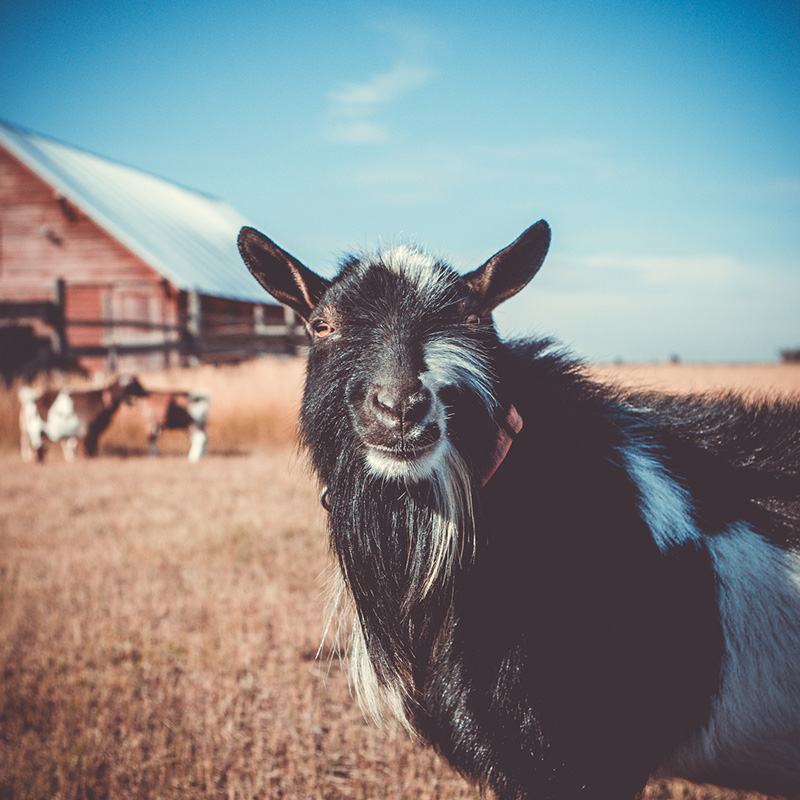
Their smaller size also translates to lower feed requirements, an important factor for anyone managing resources on a homestead. these goats thrive on smaller pastures and are easier to keep well-fed compared to larger breeds. This makes them a practical choice for homesteaders with limited space or who prefer to keep feed costs manageable. Smaller goats also produce less waste, simplifying cleanup and maintenance. For homesteaders juggling multiple responsibilities, Nigerian Dwarfs offer efficiency and practicality while still providing all the benefits of keeping goats.
Milk Production and Quality
Despite their diminutive size, Nigerian Dwarf goats are renowned for their exceptional milk. While larger breeds such as Nubians, Alpines, and LaManchas produce higher volumes of milk, The Livestock Conservancy article on the Nigerian Dwarf Goat highlights that despite only producing one to two quarts of milk per day, Nigerian Dwarf milk is high in butterfat. This results in rich, creamy milk that is excellent for cheese and yogurt and is the only goat milk that can be used to make butter. The butterfat content for a Nigerian Dwarf goat ranges from 6% to 10%. In comparison, Nubians average 4-5%, and Alpines and LaManchas typically hover around a measly 3-4%.
Additionally, Nigerian Dwarf goat milk tends to taste richer and sweeter, enhancing its appeal for home dairy enthusiasts. The Livestock Conservancy continues to say that Nigerian Dwarfs breed year-round and can be milked for up to ten months. This makes them particularly well-suited for small-scale milk production where a year-round supply of a moderate amount of milk is desired – an excellent choice for homesteaders seeking a steady supply of high-quality, versatile, and flavorful milk.
Personality and Temperament

Nigerian Dwarf goats are known for their friendly and outgoing personalities. They’re social animals that bond easily with both their herd and human caretakers. The Brown’s Family Farmstead Comprehensive Nigerian Dwarf Goat Breed Profile describes them as “curious and intelligent, often forming strong bonds with their human caregivers and enjoying interactive play.” Nigerian Dwarfs thoroughly enjoy engaging with their human companions—more than once, my leg has been used as a scratching post by one of my more insistent goats, demanding a head scratch or some attention.
Their playful nature seems to know no bounds—Nigerian Dwarf goats love racing around, hopping on everything, and exploring their environment. Their antics are endlessly entertaining. These goats thrive when given toys, structures, and objects to climb or interact with. A pile of hay bales, a wooden spool, or even a sturdy playground structure can become their favorite play item. Their playful disposition makes them particularly enjoyable for families, especially for children, as they often join in during playtime and reciprocate affection.
While larger breeds like Nubians are also playful and affectionate, they can be louder, which might be an issue for those in suburban or semi-rural areas. According to Brown’s Family Farmstead, Nigerian Dwarf goats are considered a quieter breed, making them a more versatile choice for different living environments. Whether you’re looking for companions to entertain you with their antics or to bond with as part of your homestead, Nigerian Dwarf goats are unparalleled in personality and charm.
Cons of Nigerian Dwarf Goats
Despite their many benefits, Nigerian Dwarf goats come with their fair share of challenges. Their small size and agility make them notorious escape artists, capable of squeezing through gaps and creating endless mischief. As Eco-Friendly Homestead reminds us in their article I Raise Goats: Here’s the Difference Between Nigerian Dwarfs and Nubian Goats, “Their small size makes it a little easier for Nigerian Dwarfs to escape. I’ve had both babies and adults go through what I thought was a strong fence and go into my garden, or worse, the road.” I can personally attest to this. I’ve had bucks repeatedly escape their pens and find their way into the does’ paddock, which has resulted in more than a few surprise babies. And it doesn’t stop there—my escapees have made mischief in my chicken coop, chewed through my garden beds, and even feasted their way into my neighbor’s crops. Secure fencing isn’t just recommended—it’s essential for keeping these determined little goats contained.
Milking Nigerian Dwarfs can also be a challenge, particularly for beginners or those used to larger breeds. Their smaller udders and teats require more technique and patience during milking, which often leads to severe hand cramps and frustration. Speaking from experience, I’ve milked quite a few Nigerian Dwarf goats, and while some have been a breeze, others were downright difficult due to their size. To save yourself from unnecessary stress, I strongly recommend acquiring goats from a good genetic line specifically bred for milk production. Well-bred does tend to have larger, more accessible teats, making the milking process much easier.
Finally, as was mentioned earlier in this article, their milk production, while rich in quality, is also lower in volume. Those needing bulk milk for large families or commercial use may find larger breeds more practical. Nigerian Dwarfs are ideal for those who value quality over quantity, but understanding their limitations is key to ensuring they meet your homesteading needs.
Big Rewards in a Small Package
Nigerian Dwarf goats are for more than just milk and pasture maintenance—their unique combination of small size, rich milk, and friendly demeanor sets them apart from the larger breeds and makes them a joy to keep. And despite their quirks and penchant for dramatic escapes, Nigerian Dwarf goats offer more than enough to make them a favorite among homesteaders. Whether you’re looking for fresh milk, sustainable farming options, or simply a few playful additions to your homestead, Nigerian Dwarf goats are hard to beat.
